
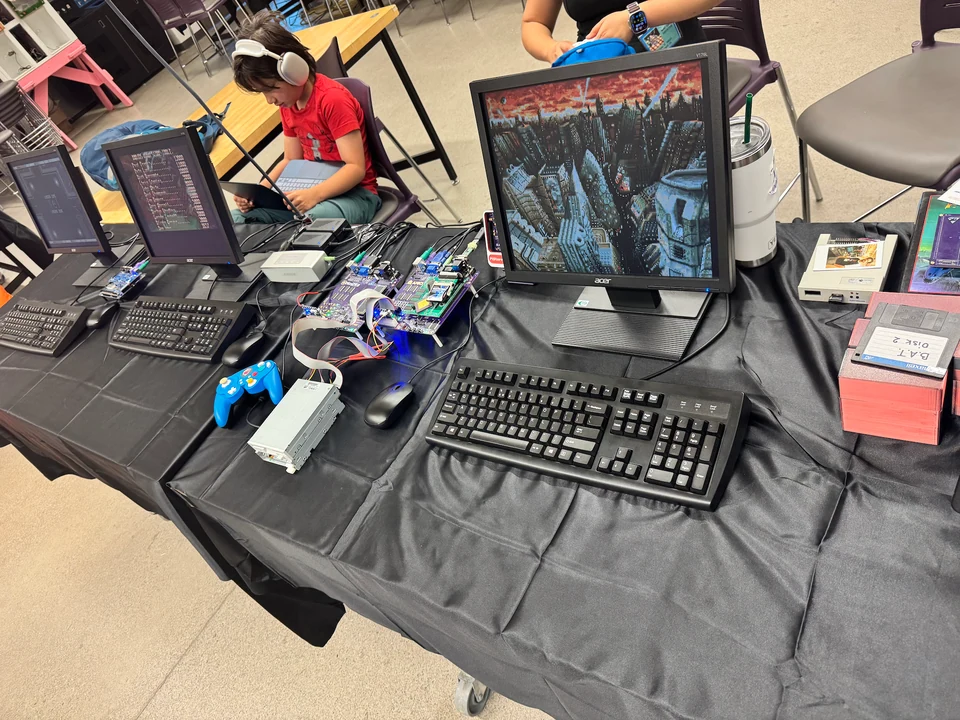
We brought AmiCube v1.1 and PiStorm68K to the World of Retro Computing Expo 2026 in Waterloo on September 12–13. Here are photographs from the Minimig.ca workshop and around the show: FPGA Amiga hardware, real floppy disks, running systems and the people who came to explore them.
WoRC Expo 2026 · Minimig.ca Platinum sponsor
September 12–13 · Free admission
10 am–6 pm both days · All ages
IDEAs Clinic, Room 1427 · Pearl Sullivan Engineering / Engineering 7
University of Waterloo · 263 Phillip Street, Waterloo, Ontario
Photo update · September 15, 2026
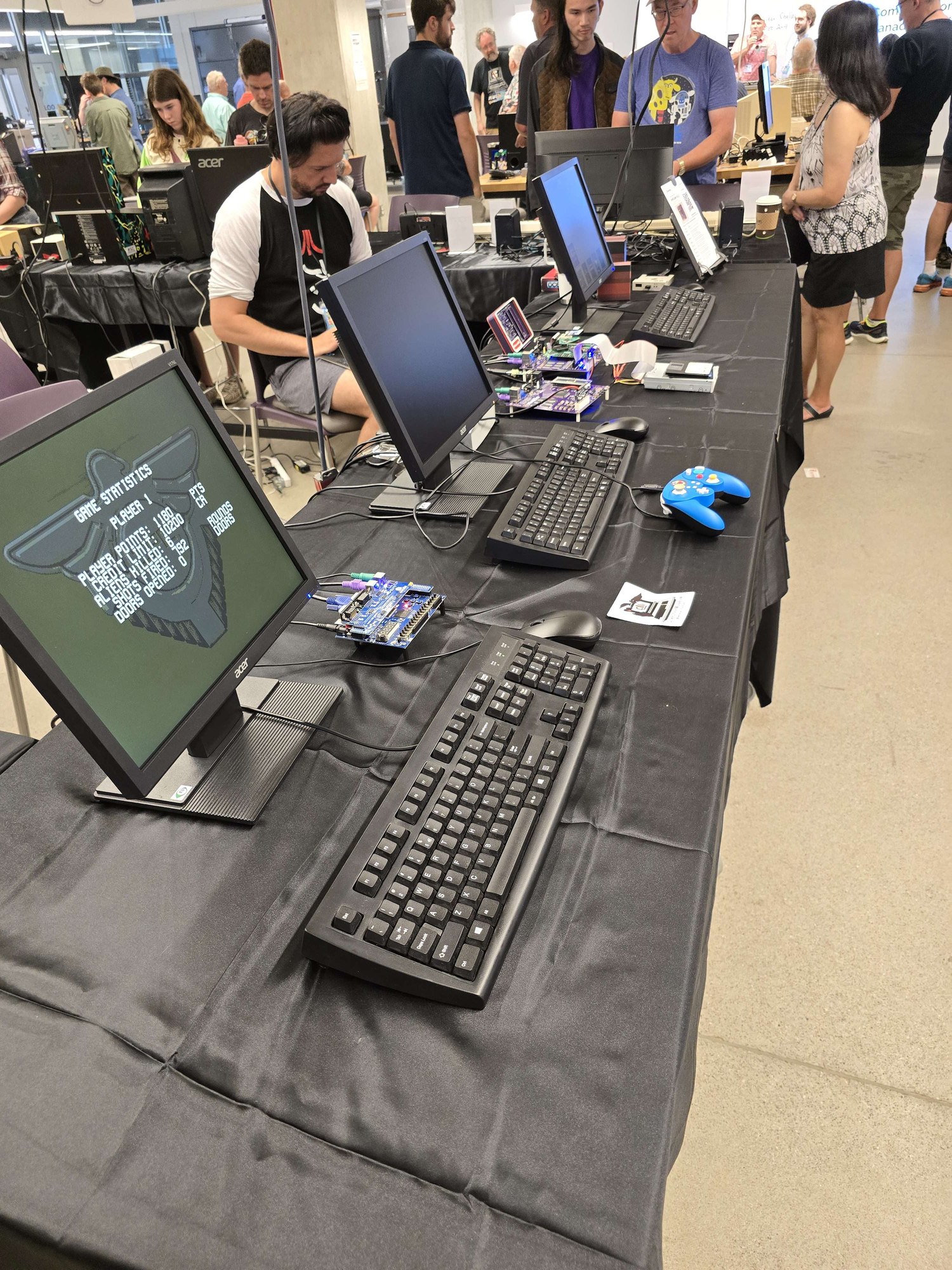
From the Minimig table at WoRC 2026.
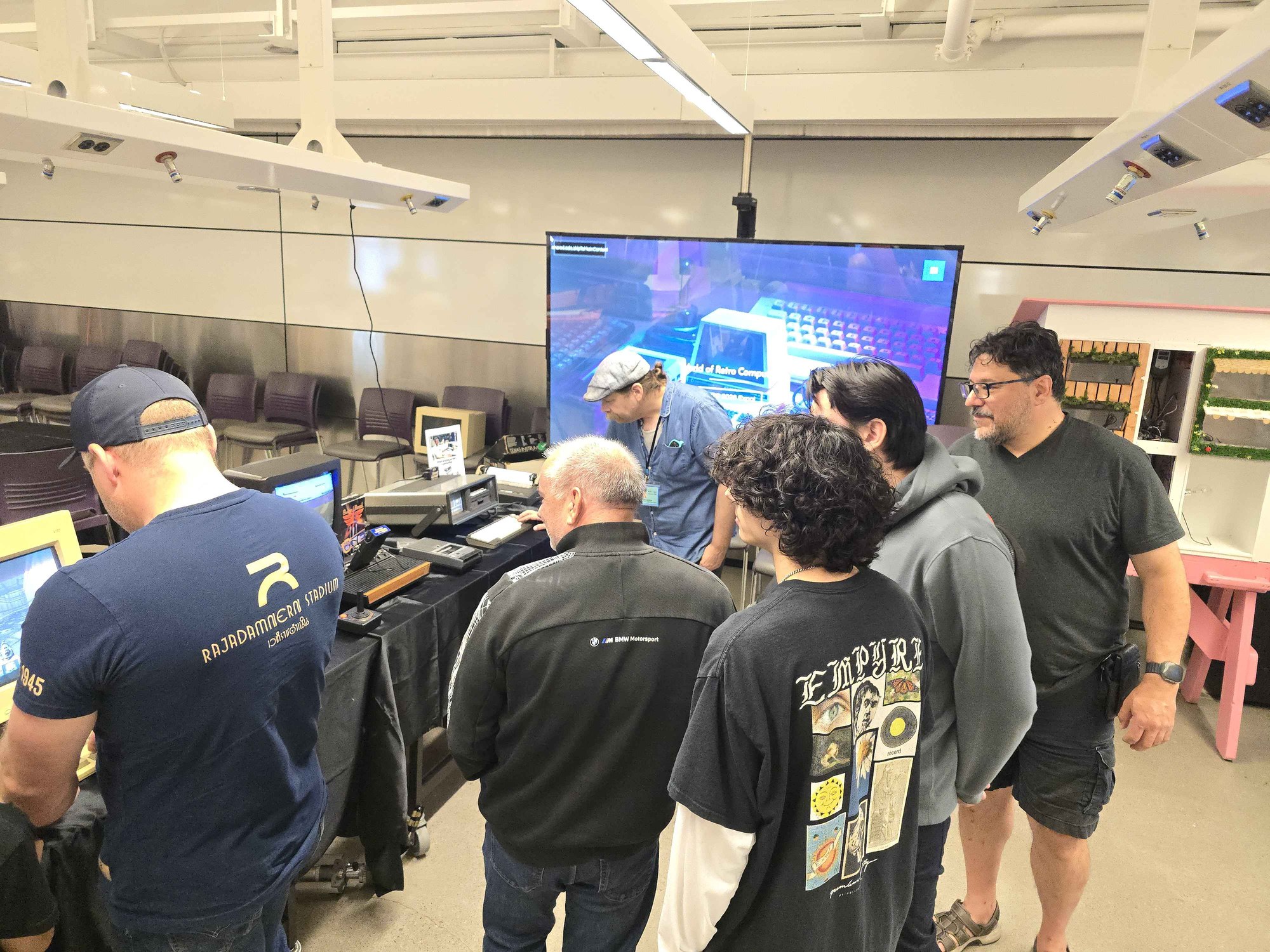
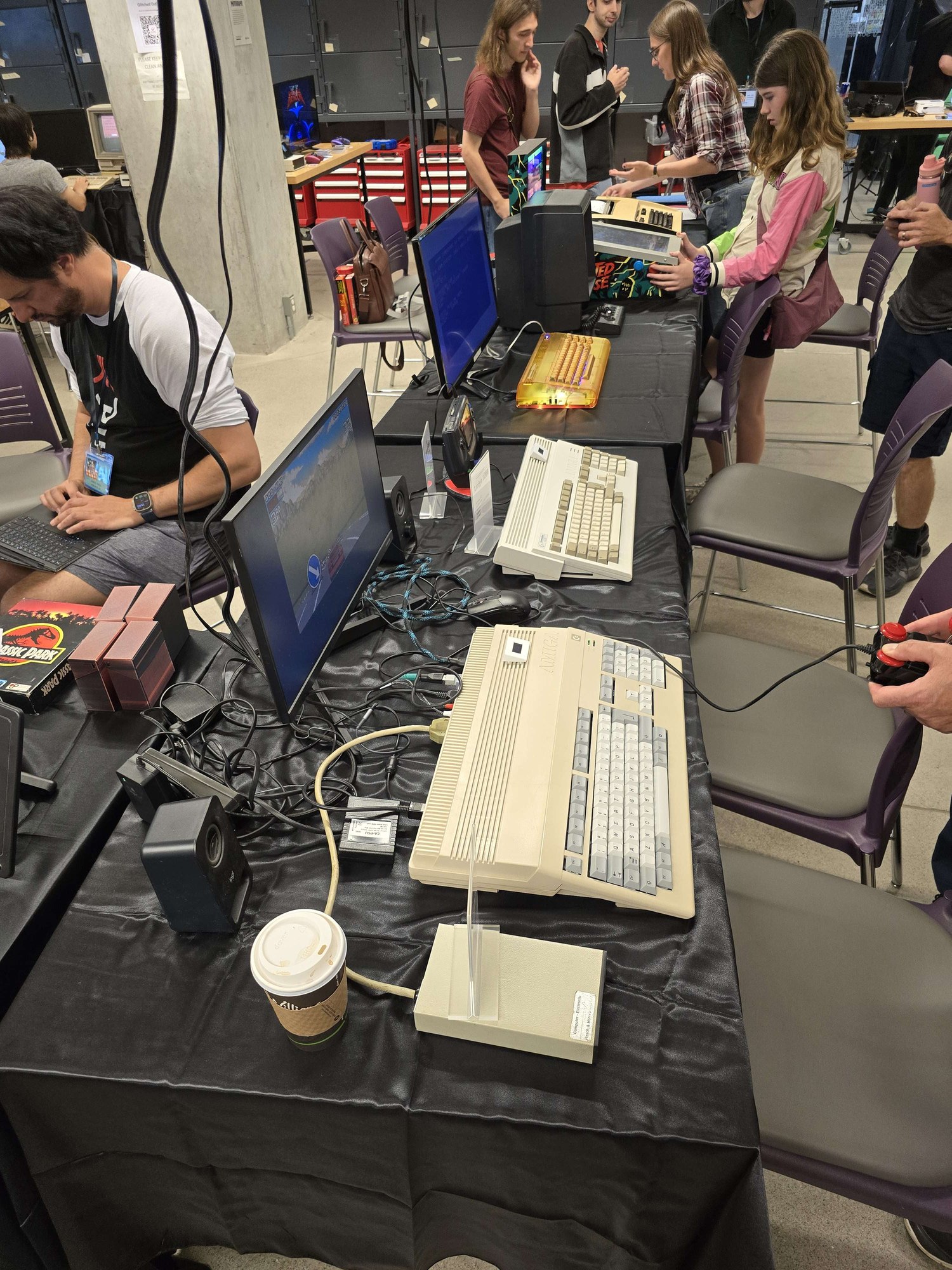
Boards on the table, computers running and visitors taking a closer look. These photographs capture the 2026 weekend at the University of Waterloo. Click any photograph to open the enlarged view.
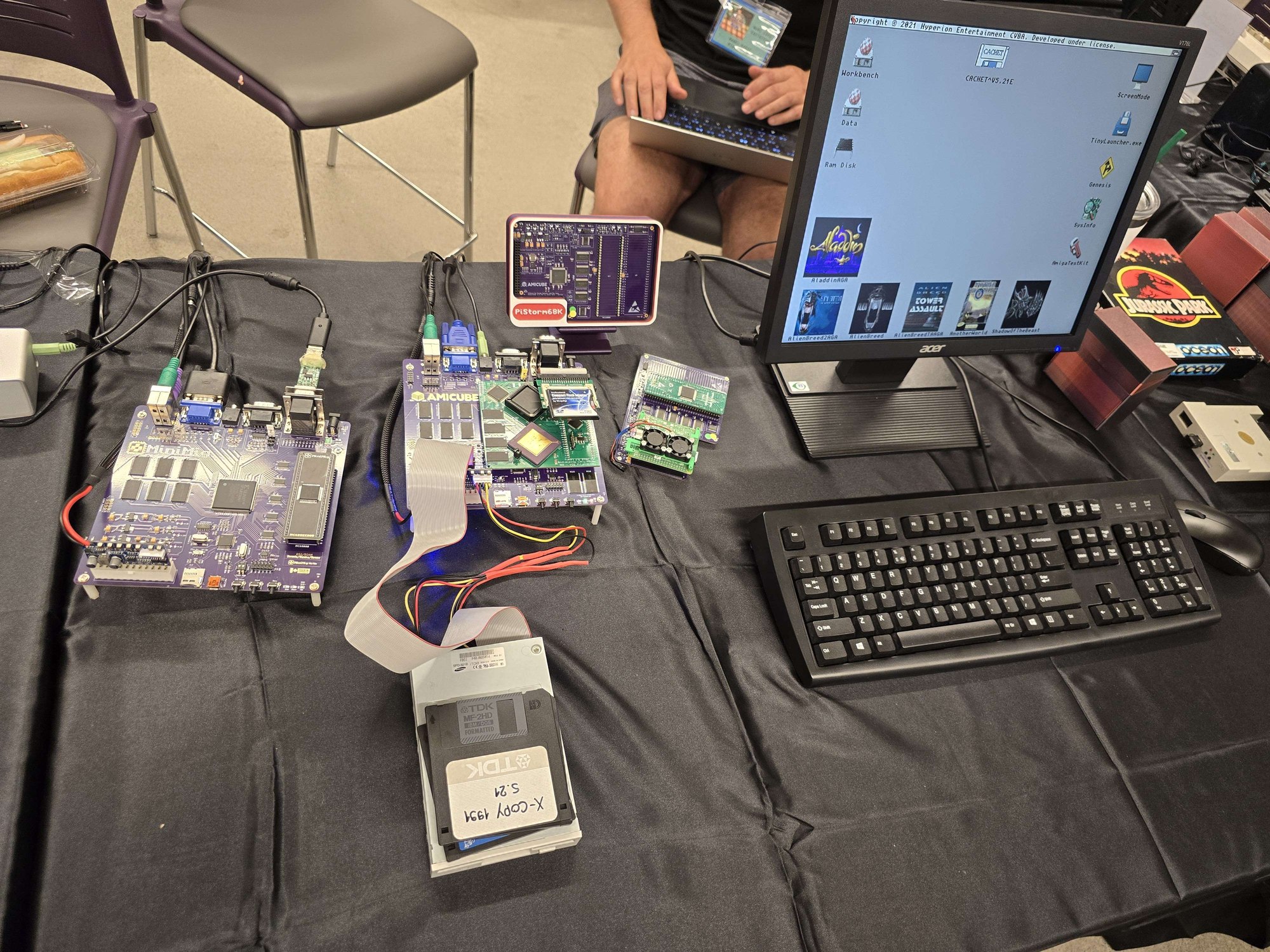
Two boards. More ways to explore the Amiga.
AmiCube v1.1
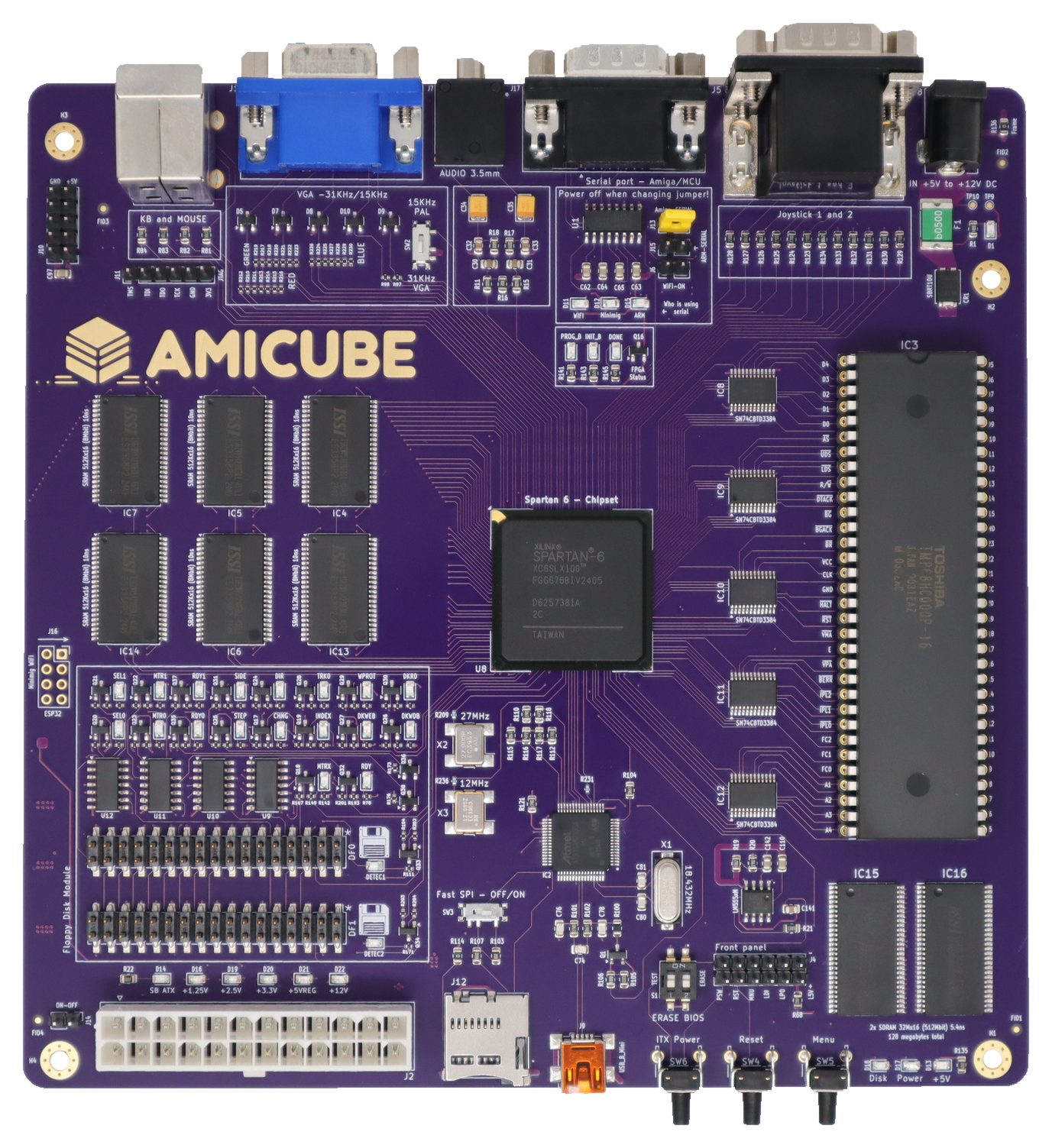
AGA graphics, an 18-bit RGB DAC and 128 MiB of physical SDRAM build on the original Minimig idea. Choose the soft 020 with RTG, or a separate HARD core for a real 68000 or supported accelerator in the CPU socket.
- Redesigned ARM F12 menu, including empty 880 KiB ADF creation directly on SD.
- Real floppy drives, original-media reading and transfers between ADF images and physical disks.
- Spartan-6 FPGA, retained SRAM, new clock sources and visible status/activity LEDs.
PiStorm68K v1.8
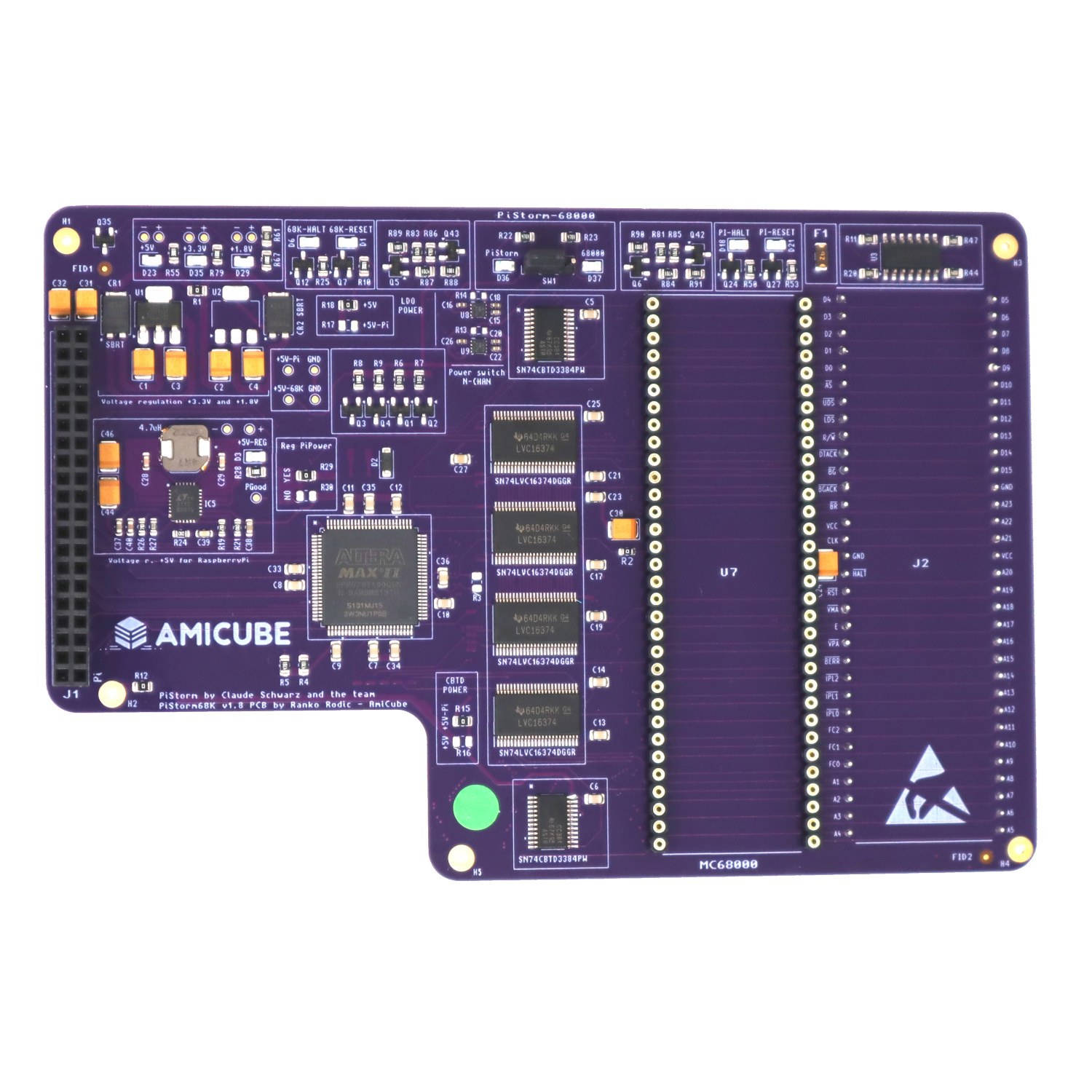
PiStorm68K combines Raspberry Pi-powered acceleration with a selectable physical 68000 path. Compare configurations without repeatedly removing and refitting the processor hardware.
- Electronic CPU power switching and regulated +5 V for the Raspberry Pi.
- Protection and diagnostic LEDs on a six-layer ENIG PCB.
- A place in the AmiCube hardware family, including the latest PiStorm-on-AmiCube RTG development.
From the hardware bench
Original disks and a modern Workbench.
Recent board tests include reading original floppy media and running Workbench through AmiCube’s native Picasso96 RTG output with PiStorm attached. These photographs show the actual development hardware.
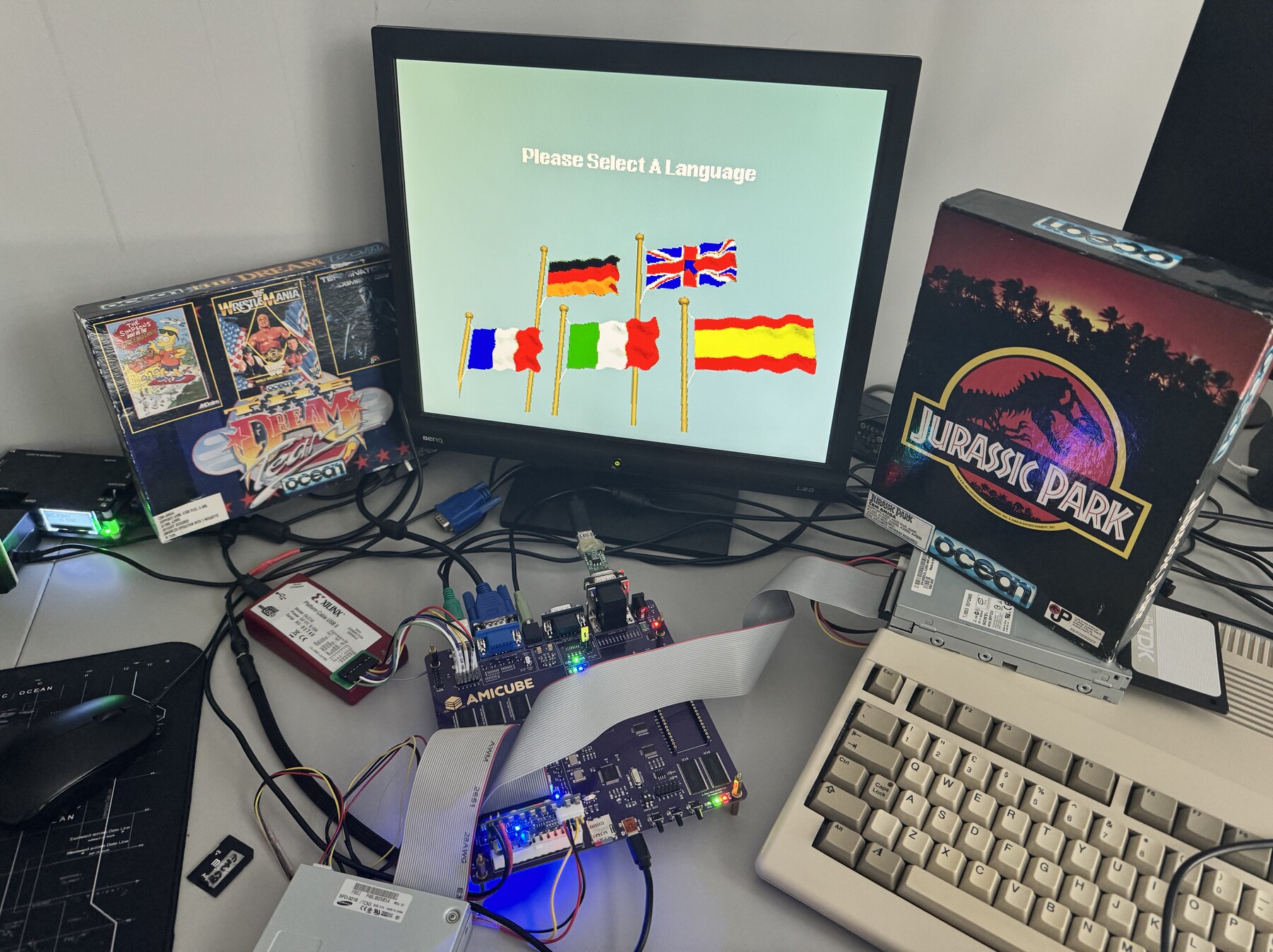
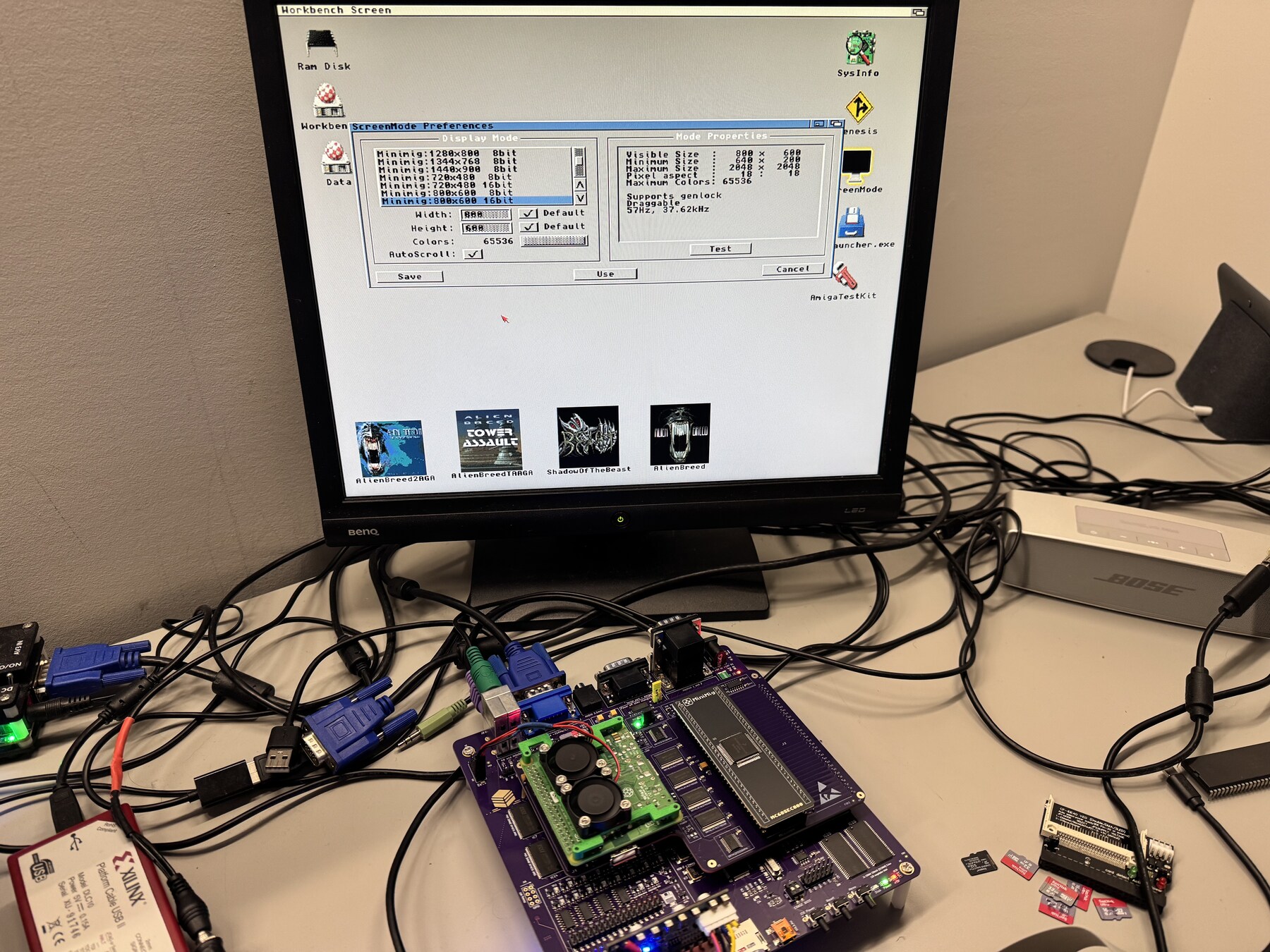
Features and results depend on the core, firmware, CPU and adapter configuration. SOFT LQ42 is a board-tested working release; HARD/socket development and broader qualification continue. PiStorm68K alone does not add the AGA chipset. A500/A2000 compatibility remains experimental; a Raspberry Pi and physical CPU are not included in the board-only product.
Read my full AmiCube development diary, with photos →
The people. The machines. The conversations.
A little of the WoRC atmosphere.
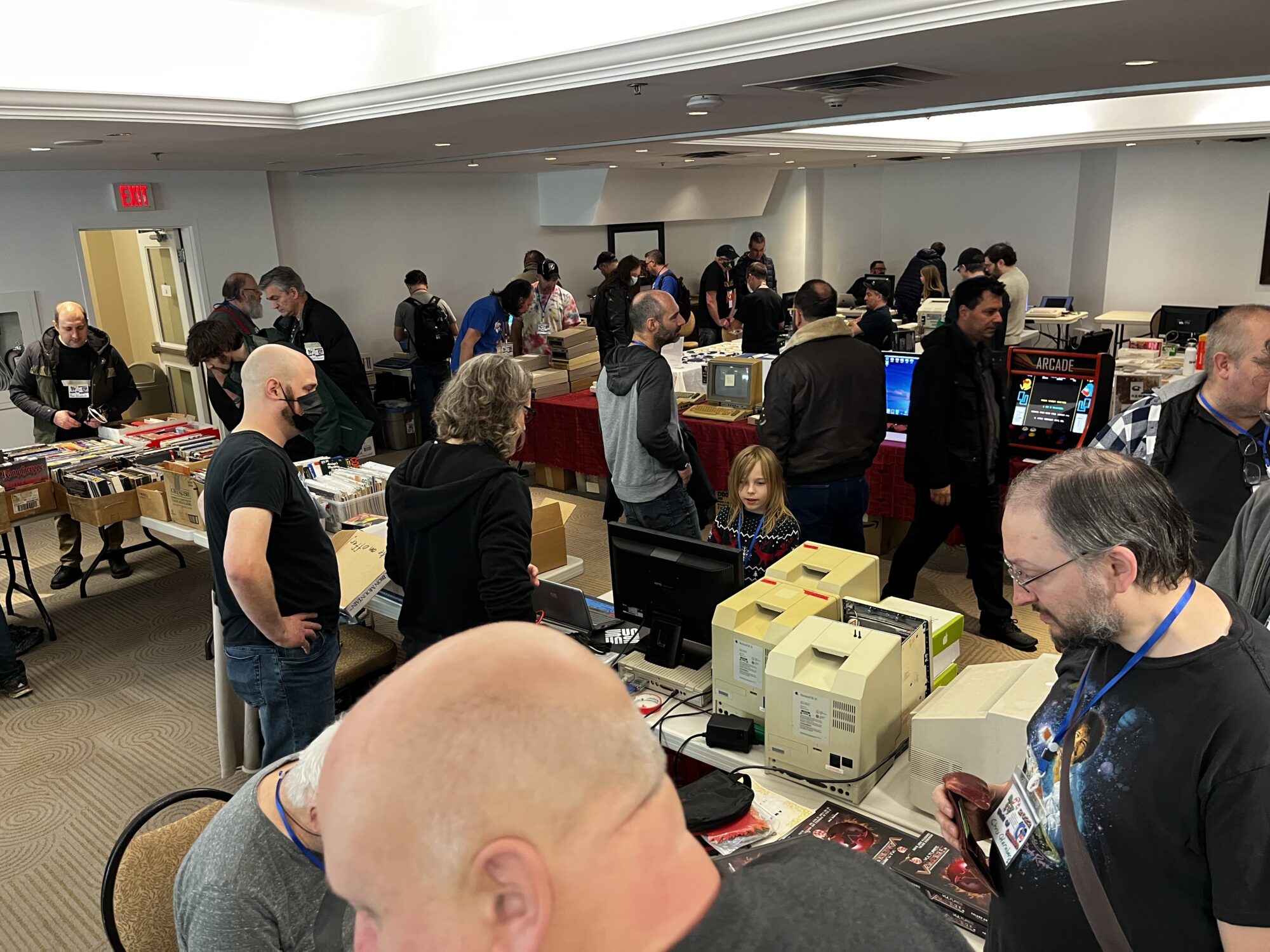
These photographs and memories are from WoRC 2023, an earlier chapter in the story. Thanks again to Justus, known as Herk on Discord, for inviting me to take part. They are a look back at sharing hardware, answering questions and meeting fellow retro-computing enthusiasts.
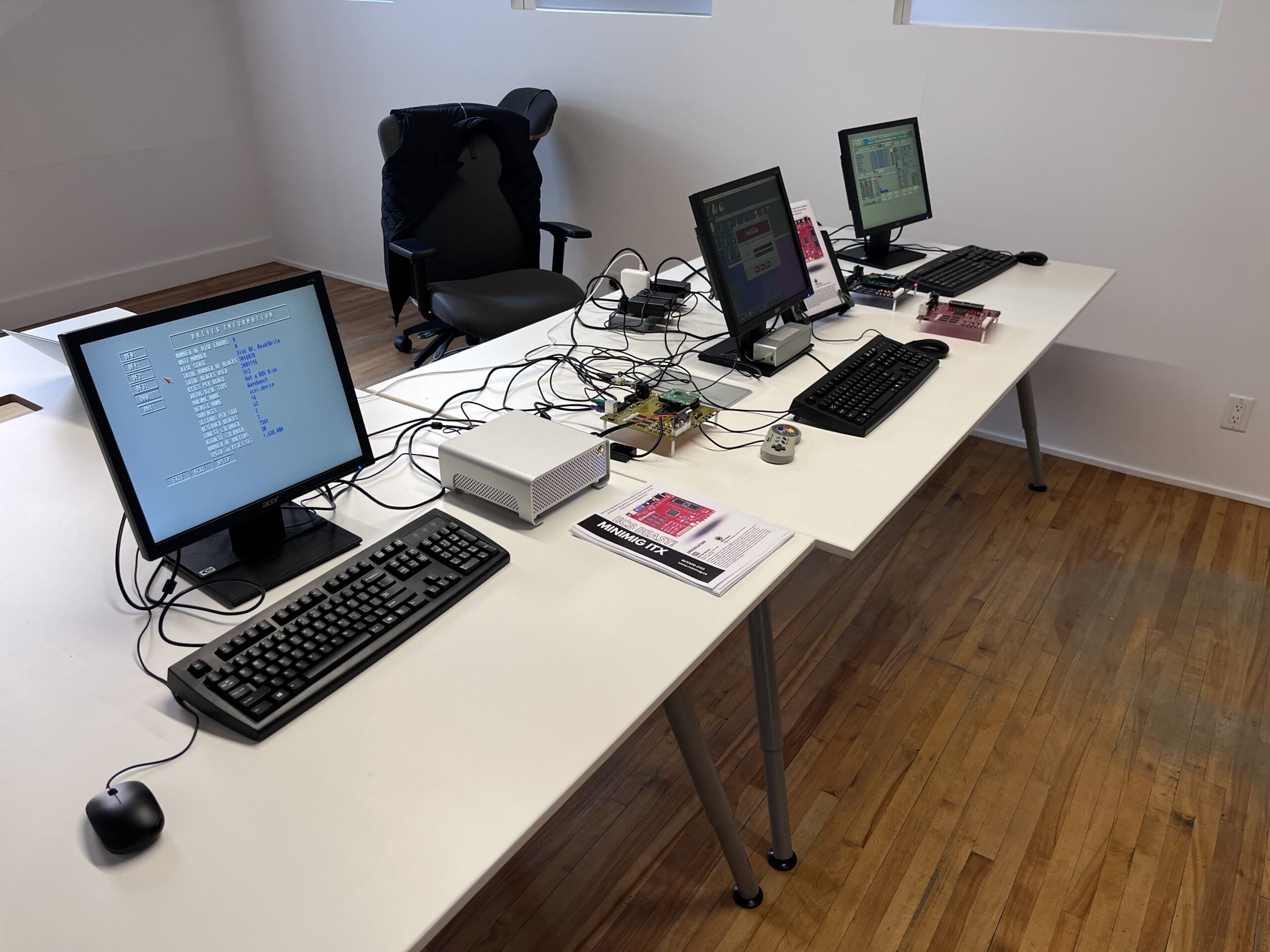
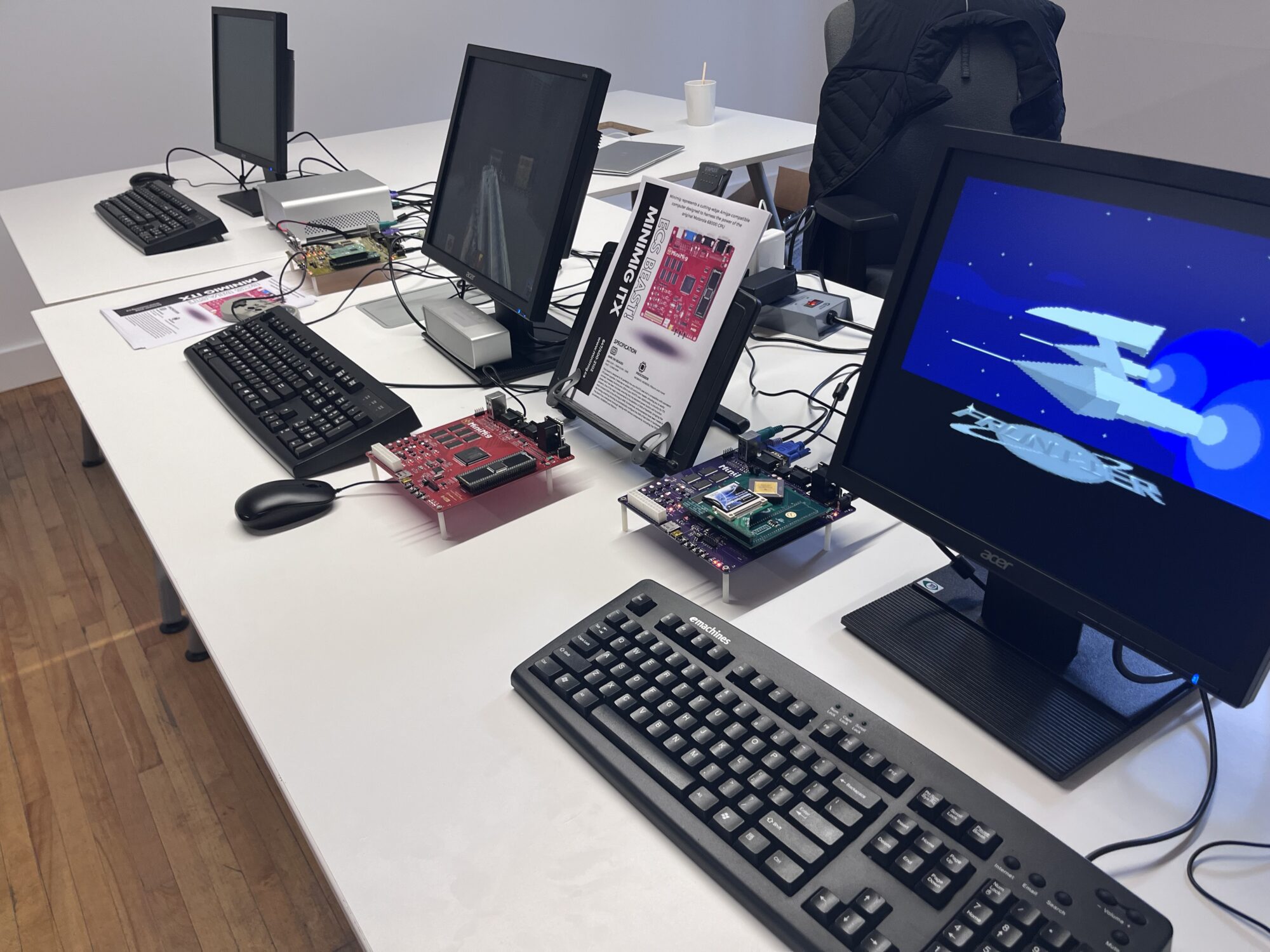
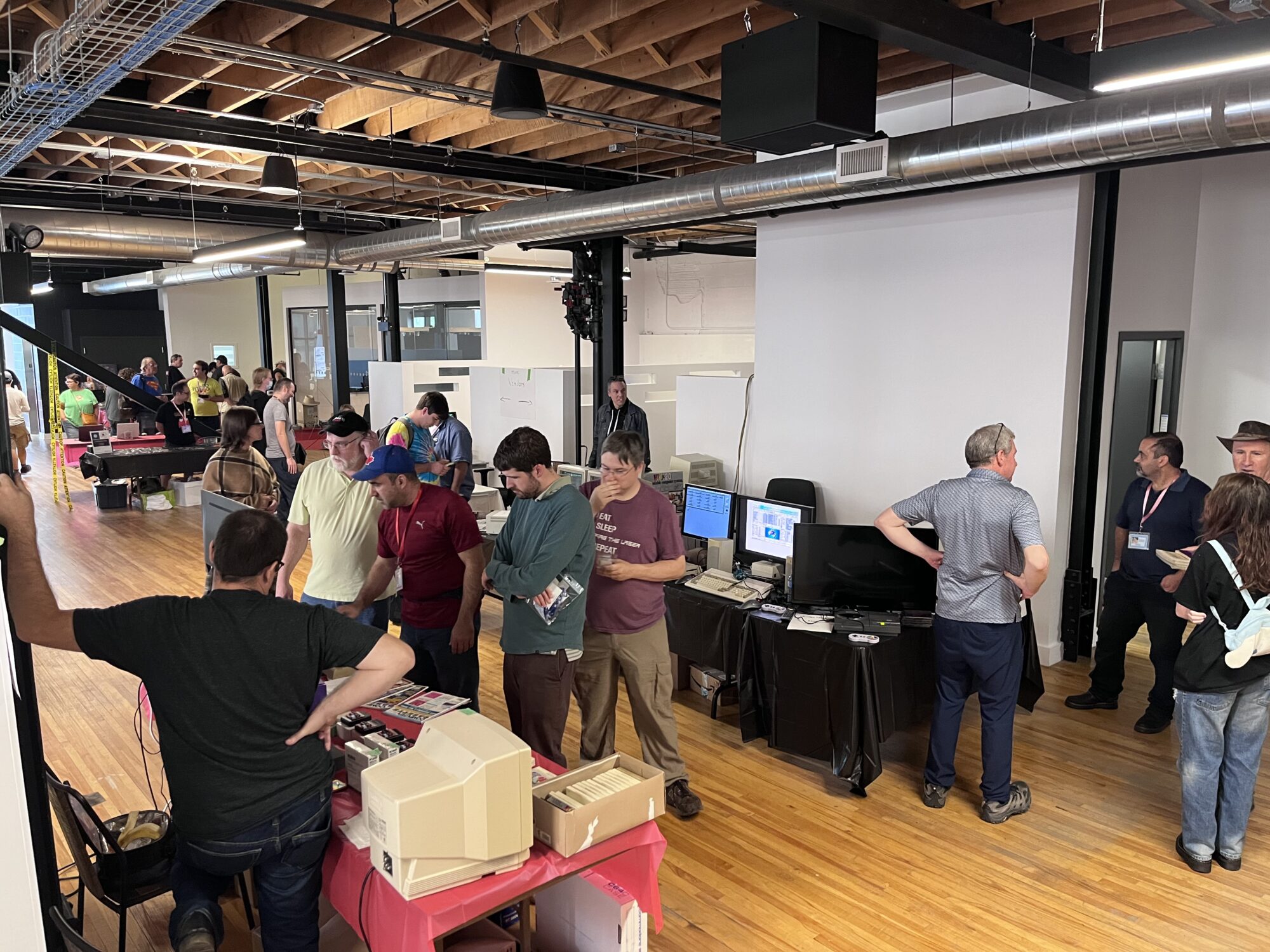
A wave to Bil Herd and Dave Haynie
At about 32:30 in the 2023 livestream, I had the pleasure of waving to Bil Herd and Dave Haynie. Unfortunately, the audio was too poor for the conversation I had hoped to have, so I couldn’t properly explain the setup. It is still a lovely part of the weekend to look back on, even if the technology didn’t quite cooperate.
Watch the 2023 livestream at 32:30A community with a history
New hardware. Familiar faces.
How WoRC got here
- 2021The expo launched with a one-day gathering in Cambridge.
- 2022Steckle Heritage Farm in Kitchener hosted the next edition.
- 2023–24Two-day expos filled the former Goudies department store in downtown Kitchener.
- 2025The organizers took a year off from the expo.
- 2026The show returned at the University of Waterloo.
Explore the official past schedules, the 2025 announcement and the 2026 event page.
The people behind the show
Co-founder and organizer Justus Jurica helped establish WoRC as a way to keep computing history accessible, especially to younger generations. Exhibitors, volunteers and sponsors turn that idea into hands-on encounters with working machines. Read the 2022 CityNews profile.
For 2026, the University of Waterloo Computer Museum helped secure the venue; its curators are also listed among the exhibitors. I’m proud to support the show again as a Platinum sponsor. Meet this year’s exhibitors and activities.
From that table to AmiCube
At WoRC 2023 I brought Minimig 1.97itx and several CPU configurations. The 2024 programme then previewed AmiCube V1 and listed Minimig.ca as a Platinum sponsor. In 2026, I brought the v1.1 story forward: AGA, real floppy disks, the new ARM F12 experience and more ways to choose a CPU.
Another chapter: World of Commodore 2022
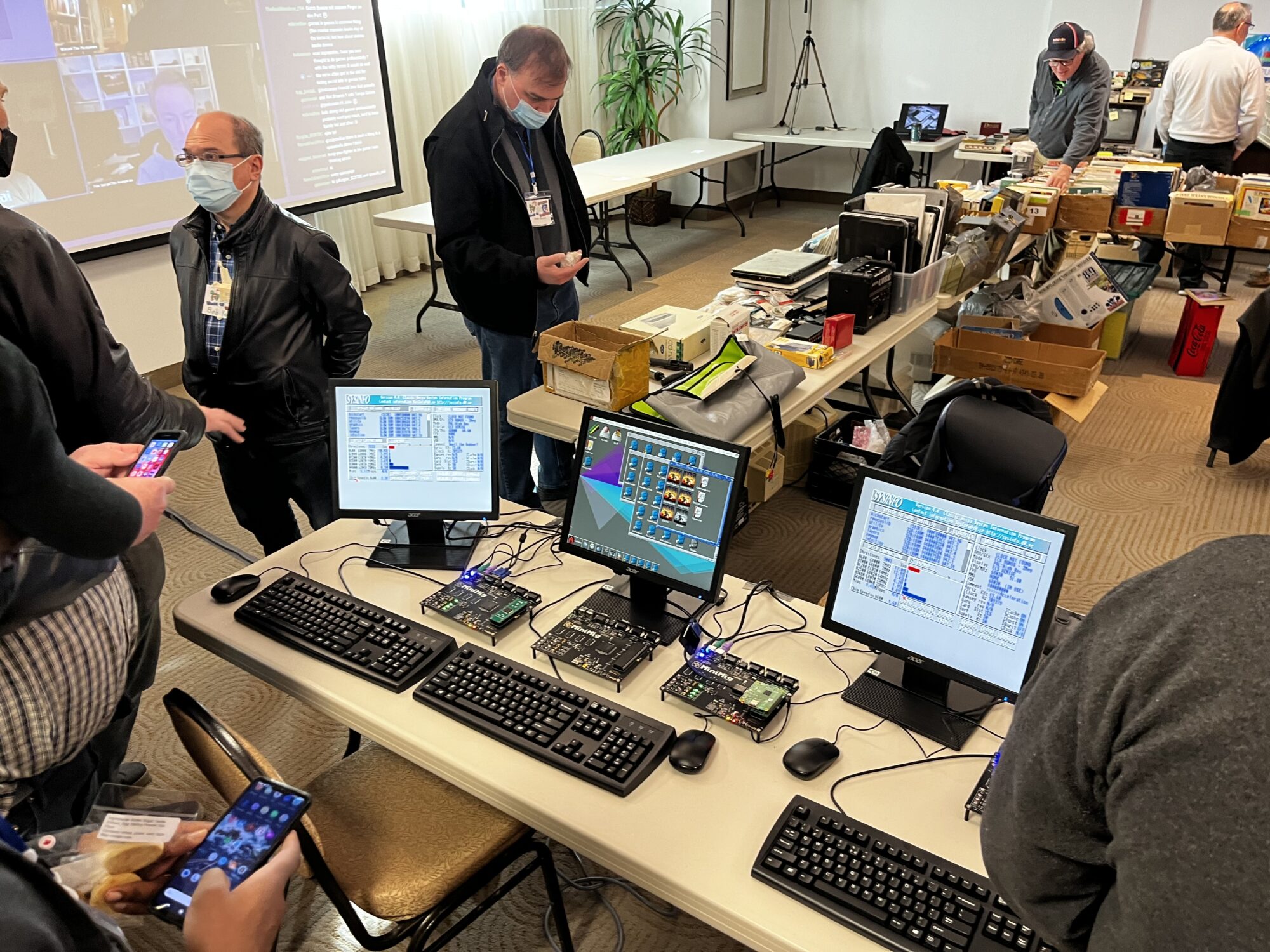
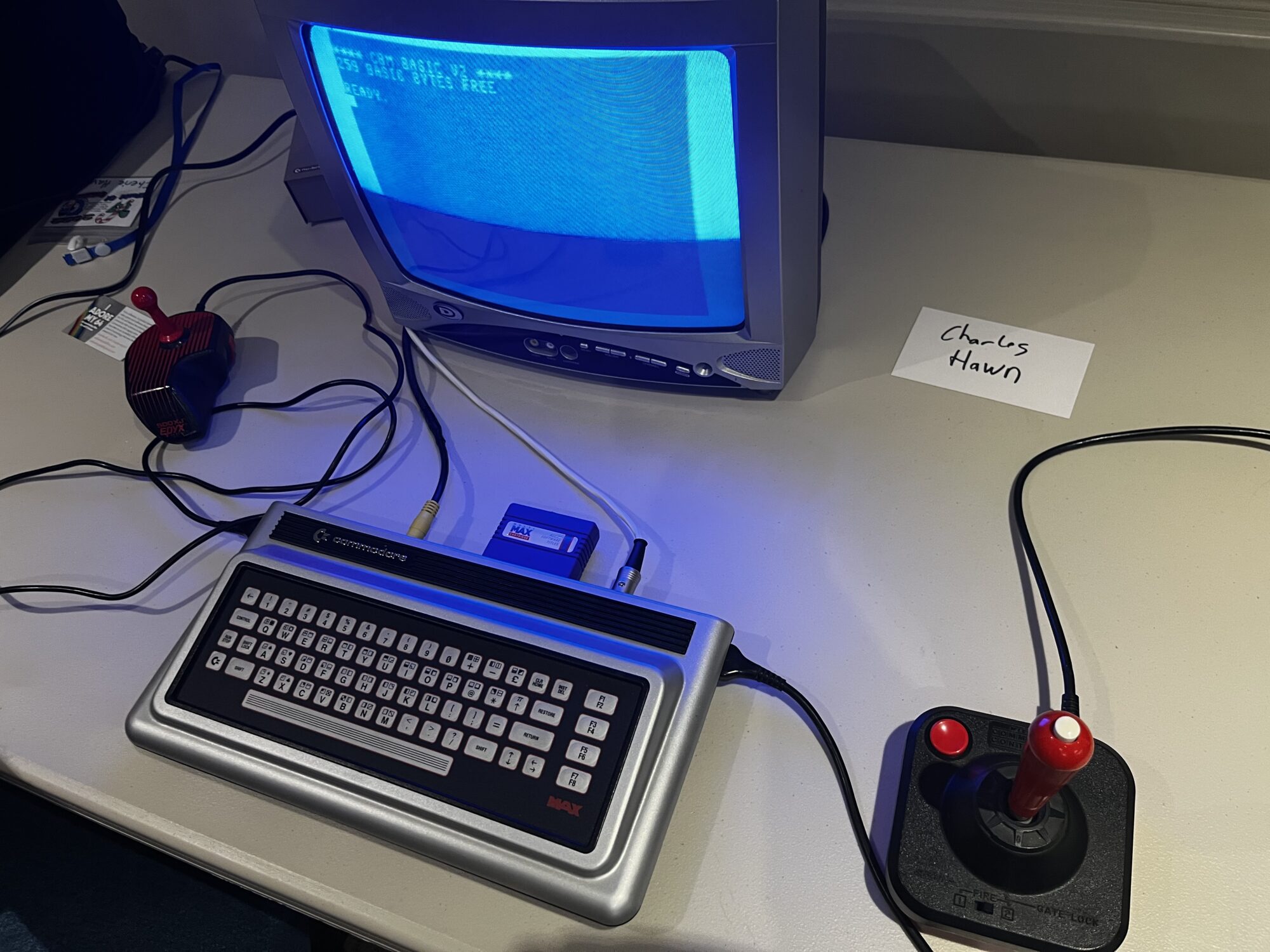
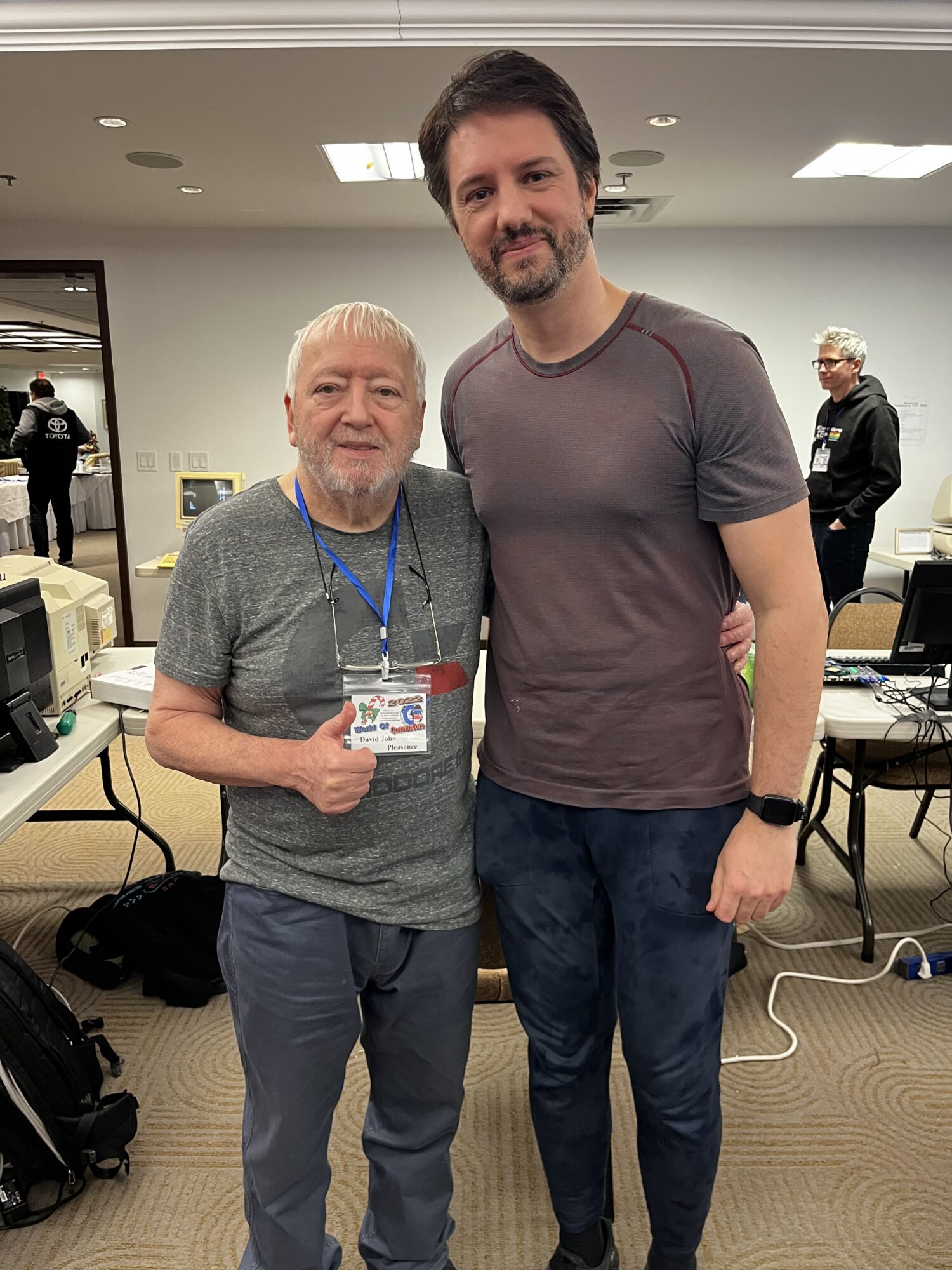
A separate event, the same love of retro computing. World of Commodore is organized by the Toronto PET Users Group. Its December 3–4, 2022 show in Mississauga included my Minimig project update. These five photographs belong to that event, not WoRC. See TPUG’s 2022 programme.
My 2022 Minimig development presentation
The World of Commodore programme included my project update at 3:15 pm on Sunday, December 4, 2022. Alongside the exhibits and vendor tables, presentations and workshops gave us room to discuss hardware, software development, games and emulation. The recording is another part of that earlier chapter—not a scheduled 2026 talk.
Watch my World of Commodore 2022 talk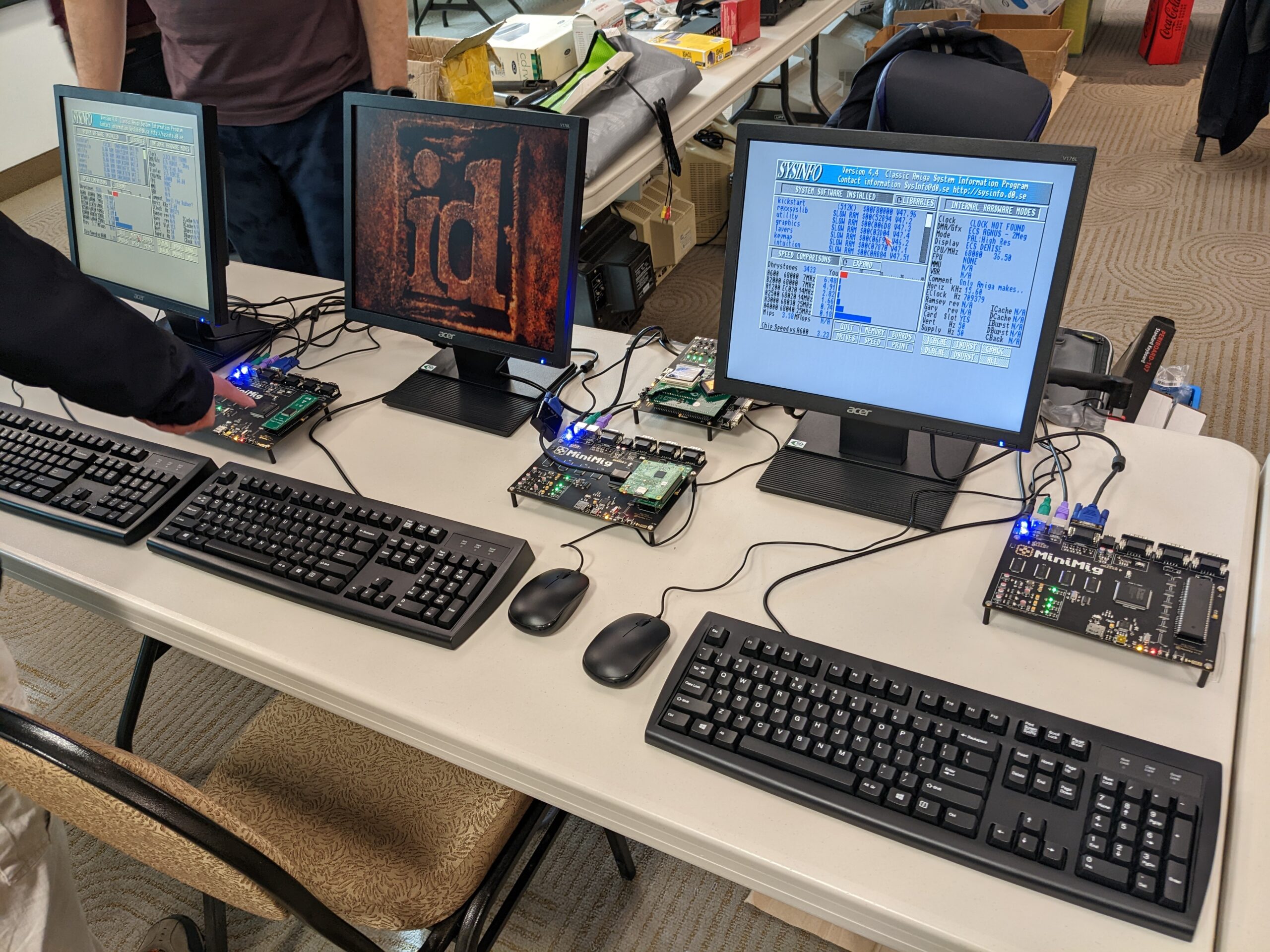
Around WoRC Expo 2026
More than the Minimig workshop.
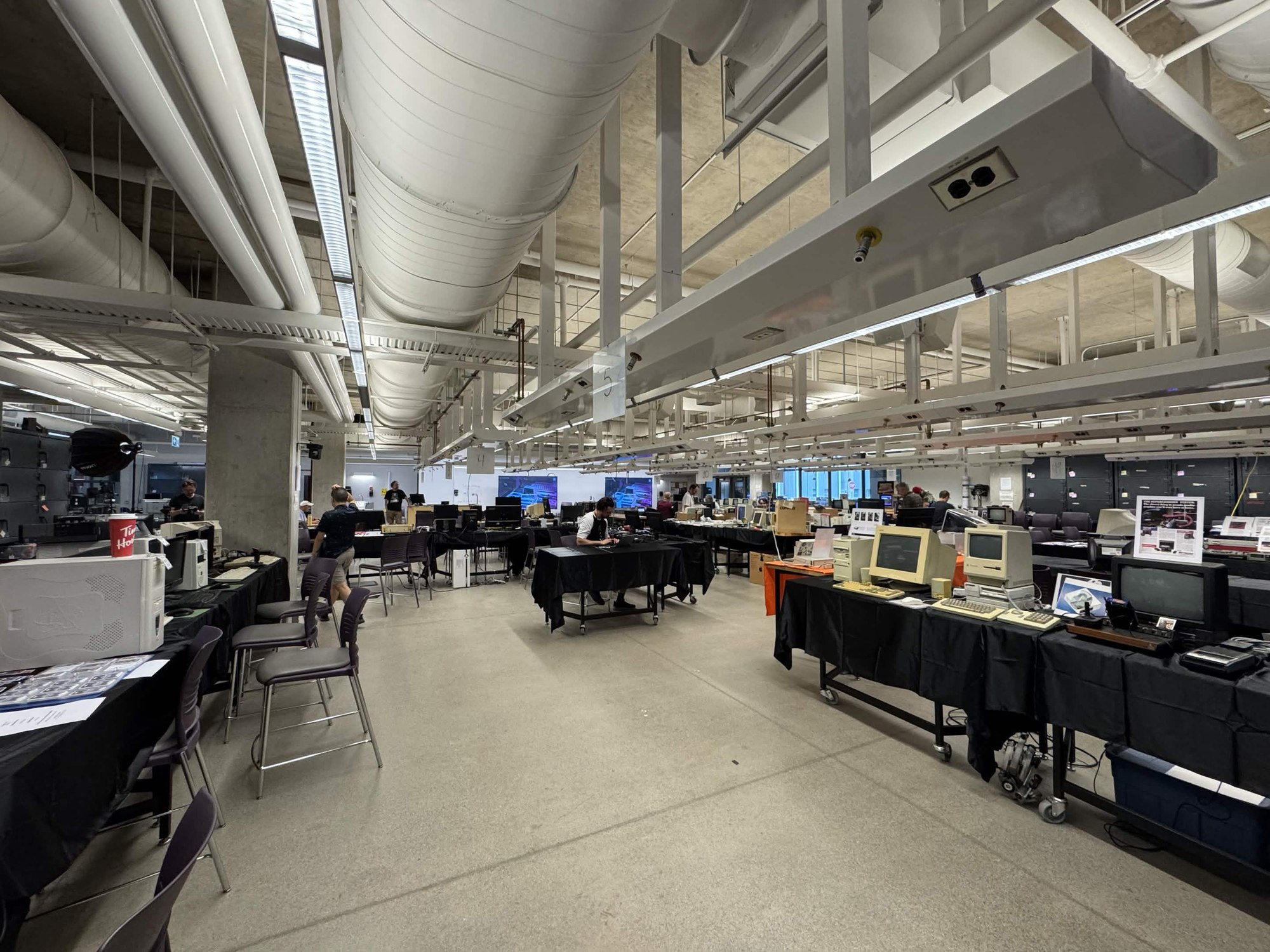
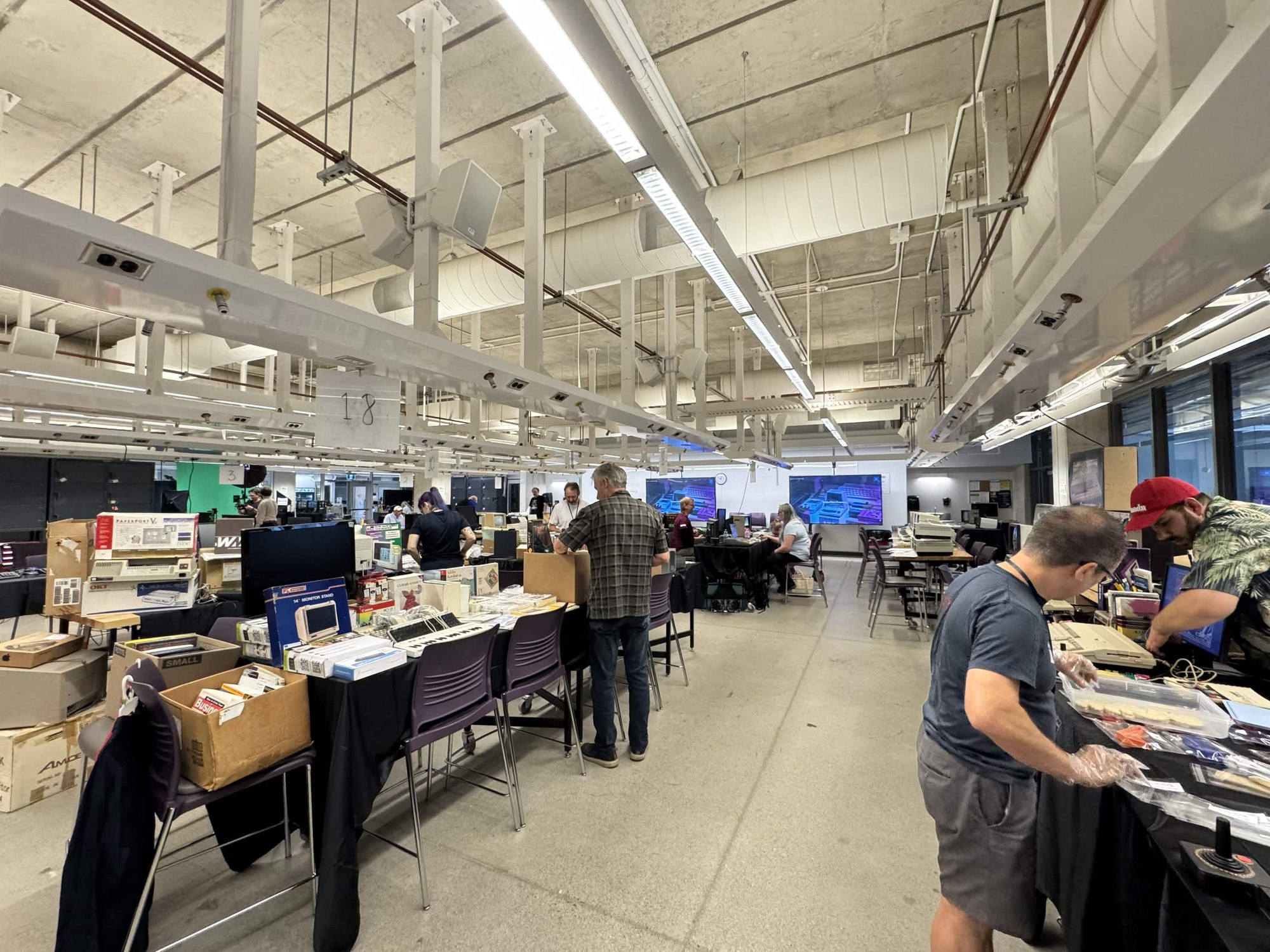
The 2026 programme listed more than 25 vendors and exhibitors each day, a retro LAN party, museum displays and talks spanning computer history, Atari graphics and a Tandy CoCo language-model project. These photographs take a look beyond the Minimig table, across the exhibits, presentations and hands-on displays. See the official 2026 programme.
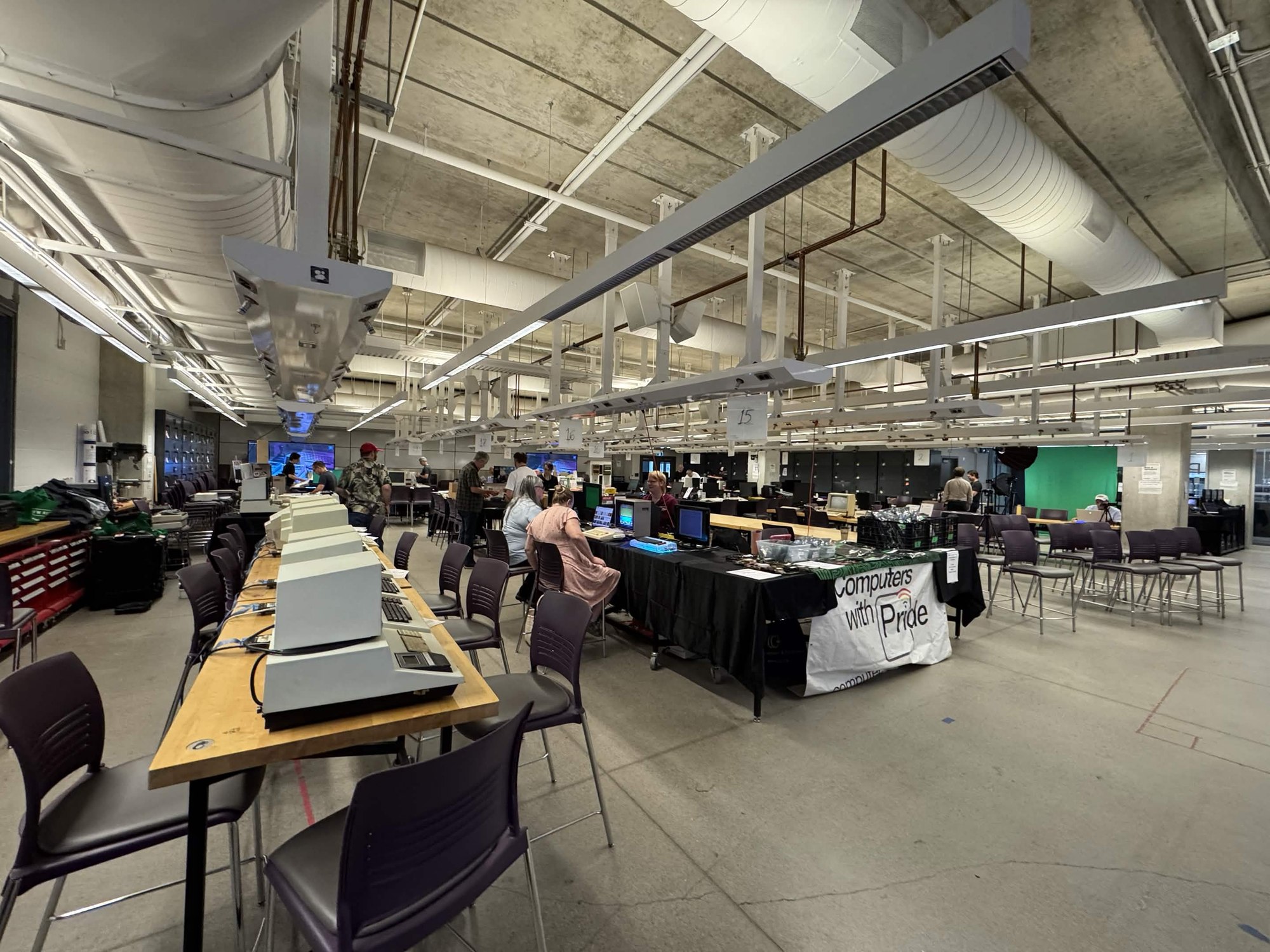
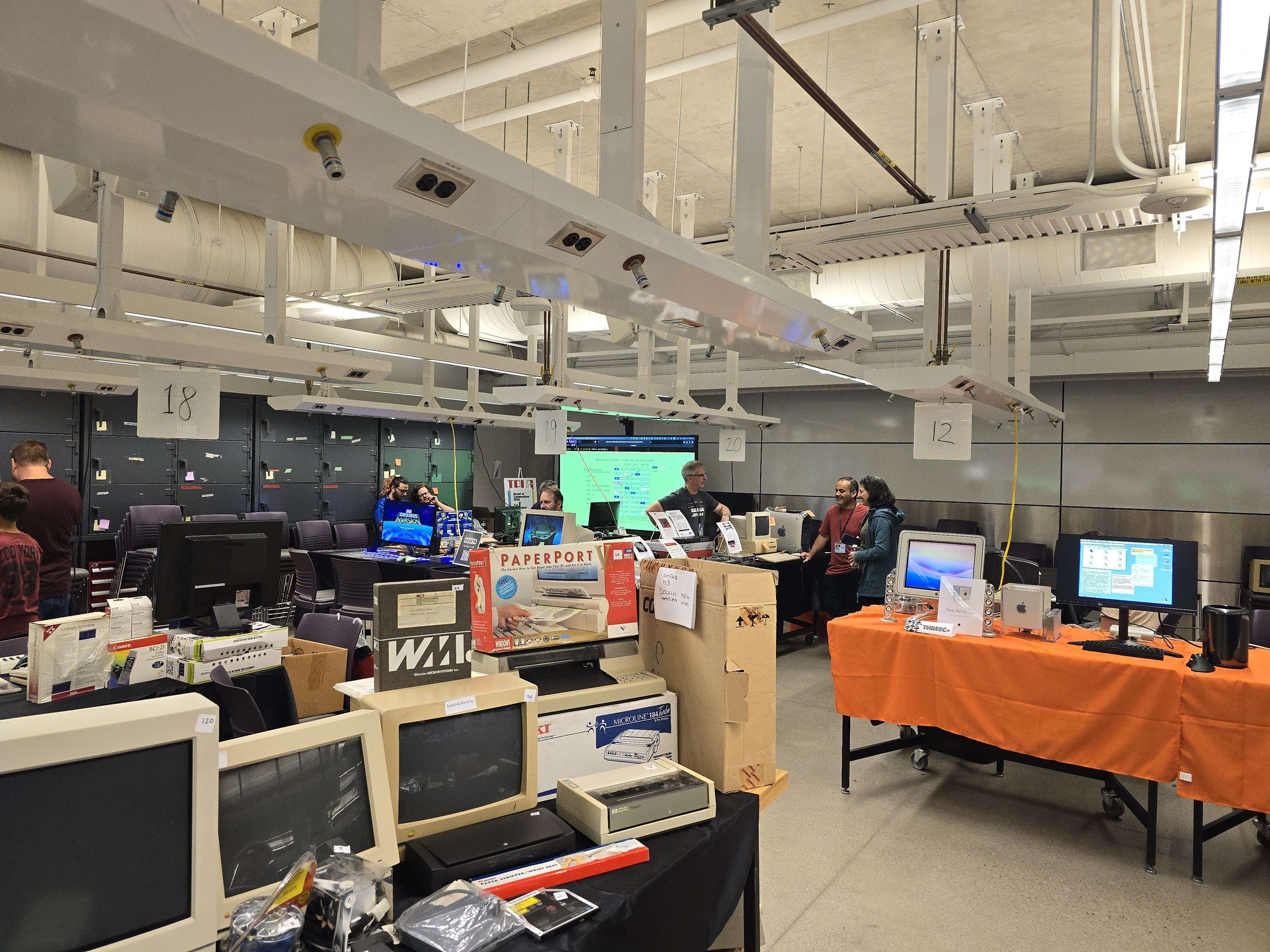
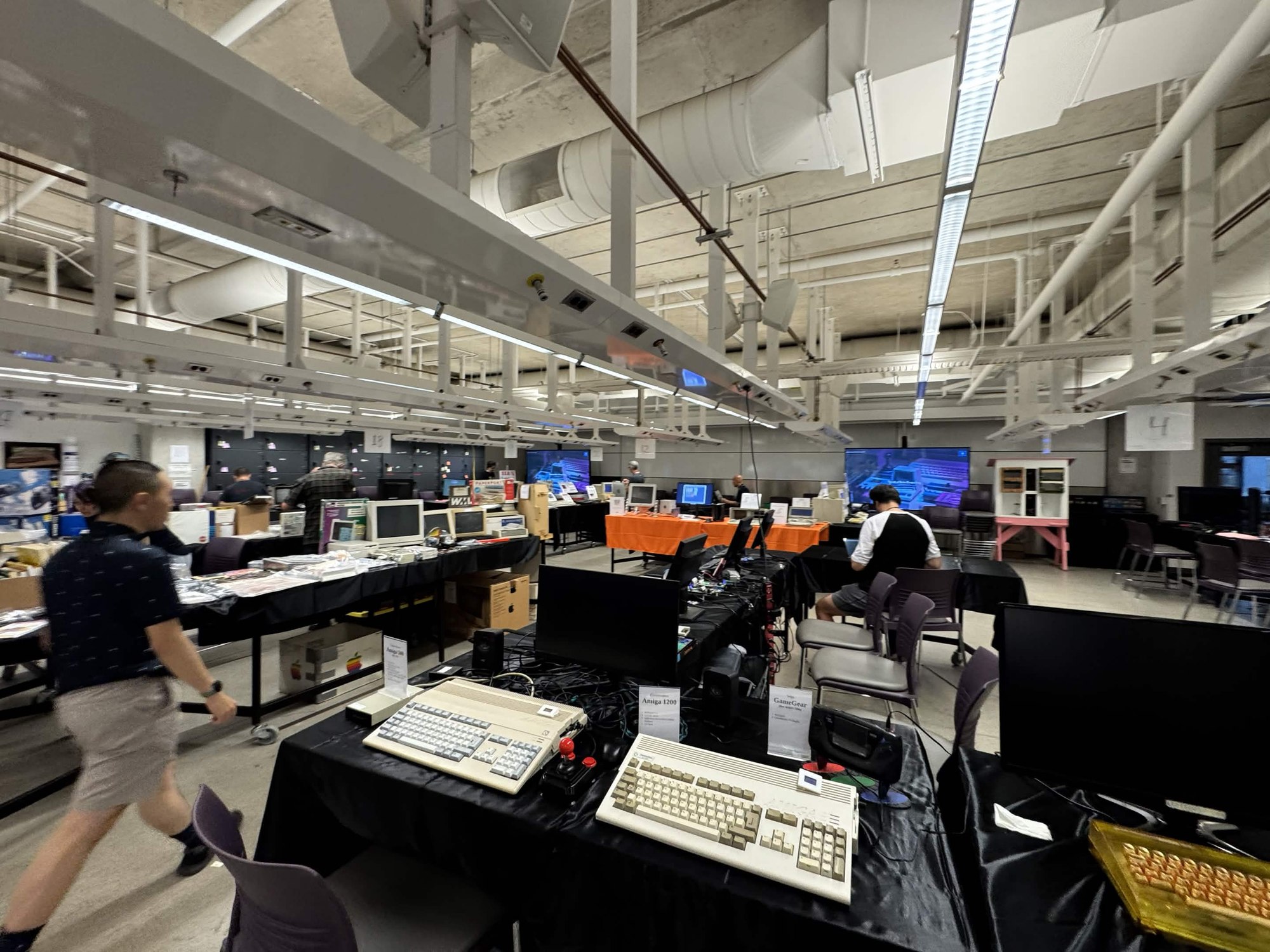
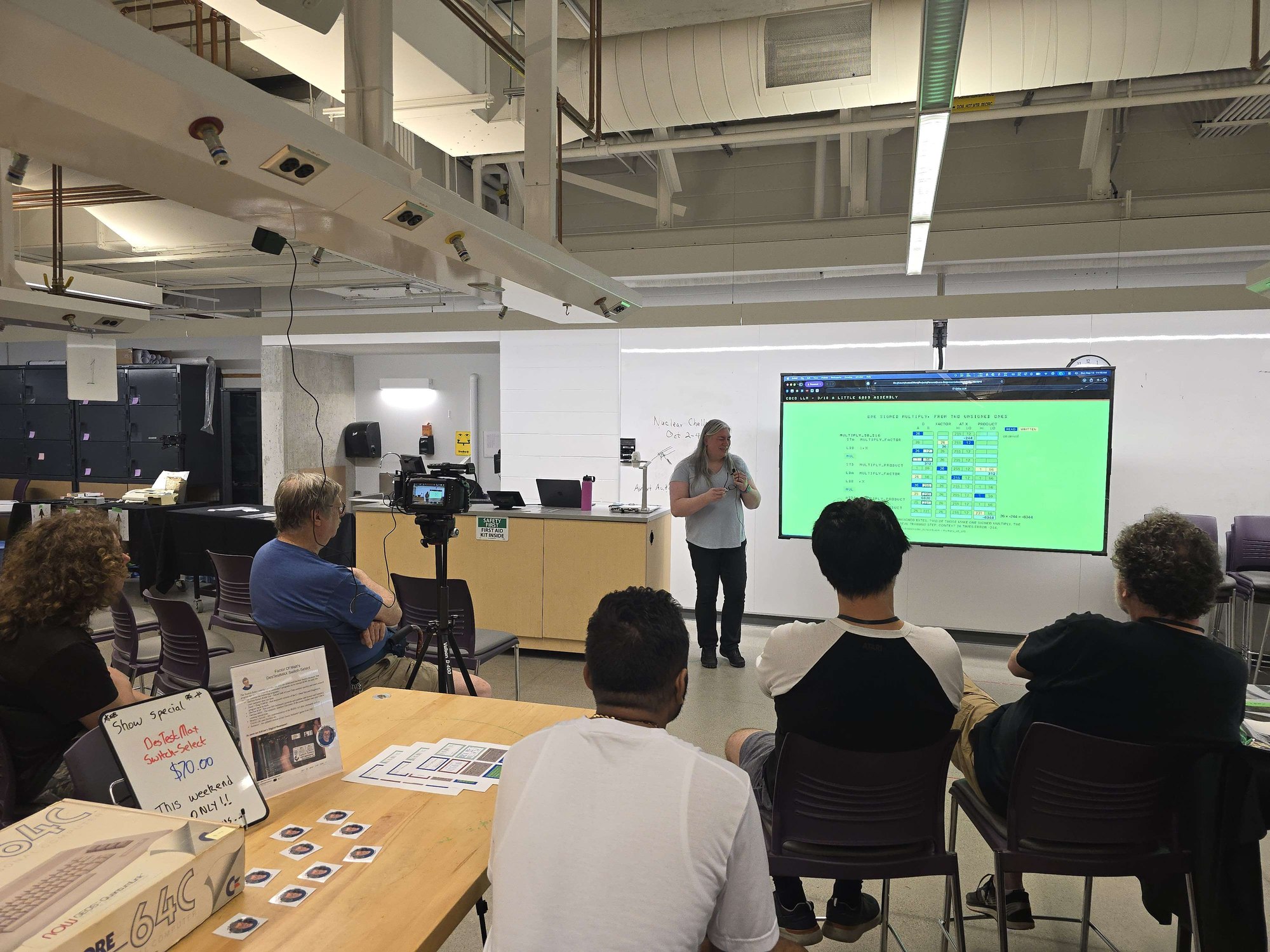
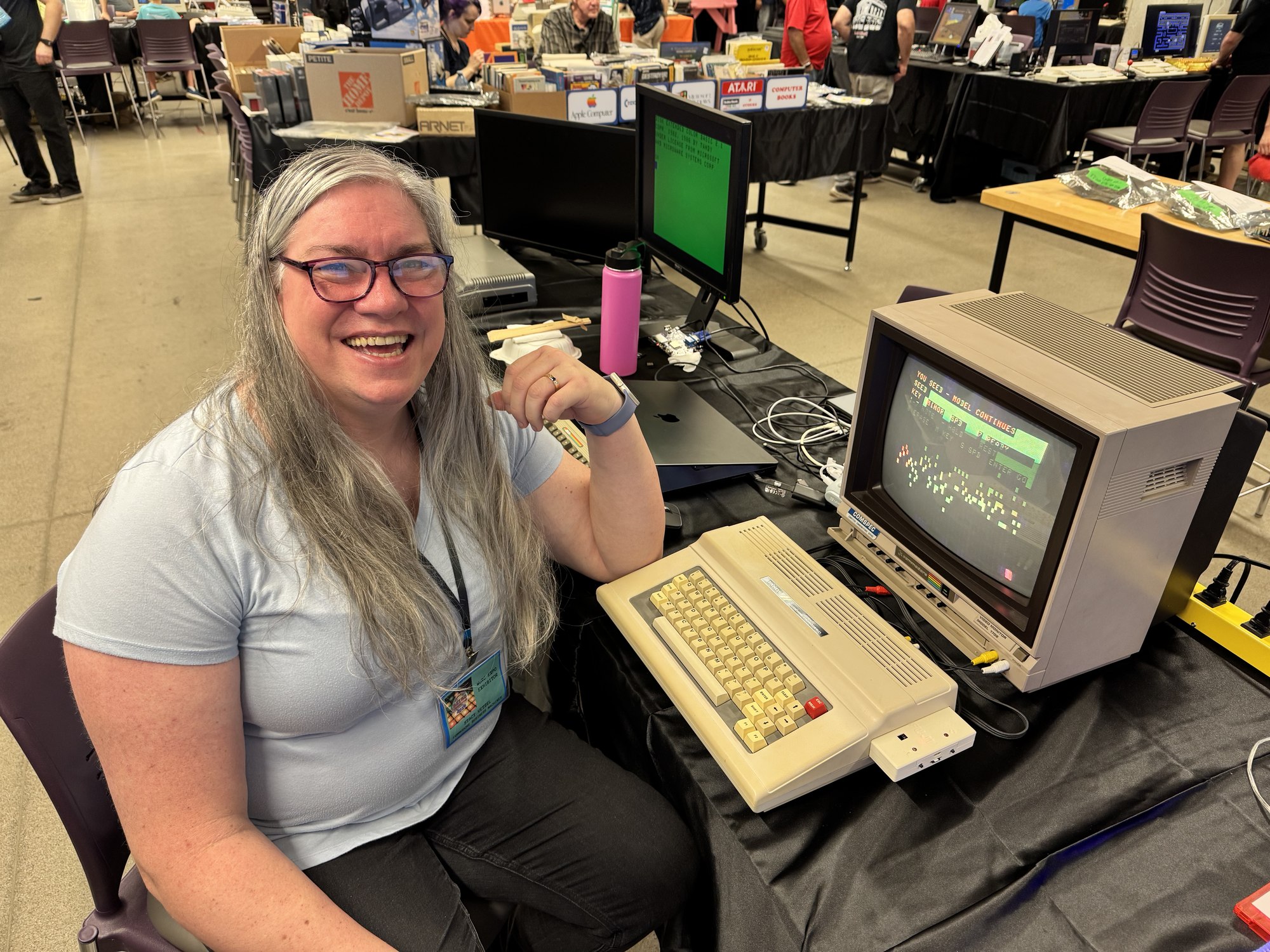
Stacey Vetzal returned to WoRC with CoCo-LLM, an AI experiment running on a 1981 Tandy Colour Computer. Previous visitors may remember Stacey’s rare Amiga 3500.
Written in 6809 assembly language, the project performs both training (learning from examples) and inference (generating new output). It starts from random values and progresses from invented computer names to convincing names and 1980s-style marketing phrases.
Stacey’s Sunday presentation explored how the training data shapes those results, making the process behind AI easier to understand on an 8-bit machine.
The 8-bit audio tune I heard at the table was amazing. A CRT display and a smile captured another side of the weekend.
CoCo-LLM in the official programme · September 13, 11 am–noonThe 2026 venue
The expo took place at 263 Phillip Street / Engineering 7, in the IDEAs Clinic at the University of Waterloo. The event details above are retained as a record of the September 12–13 weekend.
More about WoRC
For questions about the expo and future events, contact the WoRC organizers. The original event information was checked September 9, 2026; this photo update was added September 15.
Download the presentations and event handouts.
Keep a copy from the show, or take a closer look at the boards and their features.
Thanks for visiting.
Thank you to everyone who stopped by the Minimig.ca workshop at WoRC Expo 2026. The presentations and handouts above are here to revisit, and you can get in touch to talk about the hardware or what you’d like to build next.